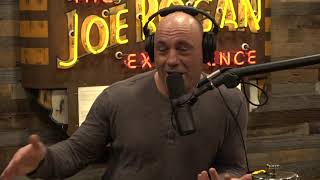
JRE 1349 · September 11, 2019
David Sinclair
Who is David Sinclair?
David Sinclair, Ph.D., A.O. is a Professor in the Department of Genetics and co-Director of the Paul F. Glenn Center for the Biology of Aging at Harvard Medical School. His new book "Lifespan: Why We Age And Why We Don't Have To" is now available.
Topics and Timestamps
- 01David Sinclair explains the biological basis of aging and why it's not inevitable but rather a disease that can be treated
- 02The concept of information loss in cells as the primary driver of aging, not just accumulated damage
- 03Practical lifestyle interventions like exercise, fasting, and calorie restriction that activate longevity genes
- 04NAD+ and sirtuins are key regulators of lifespan and can be influenced by supplements and lifestyle choices
- 05Sinclair's vision for extending human healthspan, not just lifespan, so people live longer in good health
- 06The difference between aging as a programmed process versus random cellular damage, and why this distinction matters
- ▶Sinclair introduces aging as a disease rather than inevitable consequence of living0:05:00
- ▶Discussion of epigenetic information loss and how DNA gets scrambled with age0:15:30
- ▶Explanation of NAD+ decline and how to boost it through lifestyle and supplements0:35:00
- ▶Sinclair details the practical benefits of exercise, fasting, and calorie restriction for activating longevity genes0:50:00
- ▶Discussion of extending healthspan versus lifespan and real-world applications of longevity research1:10:00
The Show
In JRE 1349, Joe sits down with Harvard genetics professor David Sinclair to discuss his groundbreaking work on aging and longevity. Sinclair presents a paradigm shift in how we understand aging: rather than being an inevitable consequence of living, aging is actually a disease that can be treated and potentially reversed.
The core of Sinclair's research focuses on information loss in our cells. As we age, the epigenetic information that tells our cells what to do gradually gets scrambled, like a corrupted computer file. This isn't just about accumulating damage over time, it's about losing the instructions. Sinclair explains that our DNA sequence stays mostly intact, but the way that DNA is regulated and expressed changes dramatically.
One of the key discoveries in his lab involves sirtuins and NAD+, which are cellular regulators that respond to stress and act like a survival mechanism. When you exercise, fast, or restrict calories, you're essentially triggering these longevity pathways. Sinclair discusses how NAD+ levels decline with age, and boosting them through supplementation or lifestyle changes can activate these protective sirtuins.
The conversation covers practical applications that anyone can implement today. Exercise is at the top of the list, not necessarily for building muscle but for its profound effects on gene expression and cellular health. Intermittent fasting and periodic calorie restriction are shown to activate the same longevity pathways that expensive supplements might activate. Sinclair emphasizes that these aren't quick fixes but investments in maintaining cellular information integrity.
Sinclair also addresses the distinction between lifespan and healthspan, making clear that living to 120 doesn't matter if you spend the last 40 years sick and dependent. The real goal is extending the period of life where you're healthy, active, and functional. His new book "Lifespan: Why We Age And Why We Don't Have To" expands on these ideas with specific recommendations.
The discussion touches on the future of longevity medicine, where aging itself becomes a treatable condition rather than an inevitability. Sinclair is careful to separate what's proven from what's promising, acknowledging that while some interventions show remarkable results in mice and early human studies, we're still in the early stages of understanding human application.
Best Quotes
“Aging is not inevitable. It's a disease, and like all diseases, it can be treated.”
— David Sinclair
From the JRE 1349 conversation with David Sinclair.
“Our cells lose information as we age. The DNA sequence stays the same, but the instructions for how to use that DNA get corrupted.”
— Joe Rogan
From the JRE 1349 conversation with David Sinclair.
“If you want to live longer and healthier, exercise is one of the most powerful interventions we know about.”
— David Sinclair
From the JRE 1349 conversation with David Sinclair.
“NAD+ is like the currency of the cell. When it drops, our cells can't respond to stress properly.”
— Joe Rogan
From the JRE 1349 conversation with David Sinclair.
“We shouldn't just be trying to live longer. We should be trying to live longer in good health, with quality of life.”
— David Sinclair
From the JRE 1349 conversation with David Sinclair.
Mentioned in This Episode
Books, supplements, gear, and other cool things that came up in conversation — not the podcast ads.
As an Amazon Associate we earn from qualifying purchases.