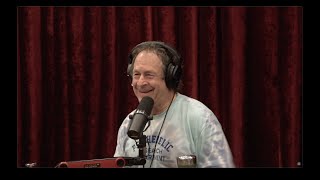
JRE 1661 · June 27, 2024
Rick Doblin
Who is Rick Doblin?
Rick Doblin is the founder and Executive Director of the non-profit psychedelic research and educational organization, the Multidisciplinary Association for Psychedelic Studies (MAPS). http://maps.org/join
Topics and Timestamps
- 01Rick Doblin founded MAPS to legitimize psychedelic research through rigorous scientific studies and FDA approval pathways
- 02MDMA-assisted therapy for PTSD has shown remarkable clinical results and is in Phase 3 trials heading toward FDA approval
- 03Psilocybin research demonstrates potential for treating depression, end-of-life anxiety, and addiction with lasting therapeutic benefits
- 04Legal and regulatory barriers have historically blocked psychedelic research, but attitudes are shifting in mainstream medicine and government
- 05MAPS operates on a non-profit model to keep psychedelic treatments affordable and accessible rather than corporate-controlled
- 06The psychedelic renaissance is driven by scientific evidence, not counterculture nostalgia, making it harder for authorities to dismiss
- ▶Rick explains MAPS mission and how psychedelics became research-worthy through rigorous clinical trials0:00:00
- ▶Discussion of MDMA-assisted therapy protocol and the 70 percent remission rates in PTSD trials0:15:00
- ▶Psilocybin research results for depression, end-of-life anxiety, and lasting psychological benefits from single doses0:35:00
- ▶How the war on drugs blocked legitimate psychedelic research for decades and attitudes are now shifting0:50:00
- ▶MAPS non-profit model and keeping psychedelic treatments affordable versus corporate pharmaceutical control1:10:00
The Show
Rick Doblin brings decades of dedication to psychedelic research to JRE 1661, walking Joe through how MAPS transformed from a fringe operation into a legitimate medical research powerhouse. The core mission is straightforward but radical: use the scientific method to prove psychedelics work for serious conditions like PTSD and depression, then get FDA approval so doctors can actually prescribe them. It's not about getting high. It's about healing people.
The MDMA-assisted therapy program is where MAPS has made the most concrete progress. They've run multiple clinical trials showing that PTSD patients who receive MDMA in a therapeutic setting with trained guides experience profound, lasting improvements. We're talking about 70-plus percent remission rates in some studies. That's not placebo territory. That's the kind of data that makes the FDA pay attention. Doblin explains how the protocol works: carefully dosed MDMA in a controlled environment with two therapists present, combined with talk therapy. It's not just the drug. It's the drug plus the human connection and guidance.
Psilocybin gets discussed as the other major frontier. The research shows it can help with end-of-life anxiety in terminal cancer patients, treatment-resistant depression, and addiction. One study showed people who took psilocybin with therapy had lasting psychological benefits years after a single session. That's wild. Traditional antidepressants keep you medicated forever. Psilocybin seems to create actual psychological shifts that persist.
Doblin doesn't shy away from the politics and history that got us here. Psychedelic research was basically banned for decades. The war on drugs meant legitimate scientists couldn't study these compounds. But here's what's interesting: the research coming back online isn't from hippies or counterculture types. It's from top universities, medical centers, and legitimate researchers. Johns Hopkins, NYU, UCSF. You can't dismiss that as bias or wishful thinking. These are serious institutions with serious methodologies.
The conversation touches on why psychedelics work at all. The current understanding involves those compounds interacting with serotonin receptors and neural plasticity. Basically, they seem to help break rigid patterns of thinking and open up new neural pathways. For PTSD, depression, or addiction, people get stuck in loops. Psychedelics can interrupt those loops and let people restructure their thinking. It's elegant neuroscience that actually explains why anecdotal evidence has been pointing toward this for years.
Doblin emphasizes the non-profit angle repeatedly, and Joe picks up on it. MAPS isn't trying to get rich off psychedelics. They want treatments that are accessible and not locked behind pharmaceutical companies charging insane prices. That's a refreshing position in modern medicine and it actually makes the whole thing more credible. If you're making money hand over fist, people wonder about your motives. If you're running a non-profit and pushing FDA approval, you're just trying to help people.
Best Quotes
“The goal is not to get people high. The goal is to get people healthy.”
— Rick Doblin
From the JRE 1661 conversation with Rick Doblin.
“We're seeing 70 percent remission rates in PTSD patients with MDMA-assisted therapy. That's not placebo. That's medicine working.”
— Joe Rogan
From the JRE 1661 conversation with Rick Doblin.
“Psilocybin creates lasting psychological shifts. People take it once and years later they still have the benefits.”
— Rick Doblin
From the JRE 1661 conversation with Rick Doblin.
“The research is coming from Johns Hopkins, NYU, UCSF. You can't dismiss that as bias or counterculture wishful thinking.”
— Joe Rogan
From the JRE 1661 conversation with Rick Doblin.
“We keep MAPS non-profit because if we're making money hand over fist, people wonder about our motives. This is about helping people.”
— Rick Doblin
From the JRE 1661 conversation with Rick Doblin.