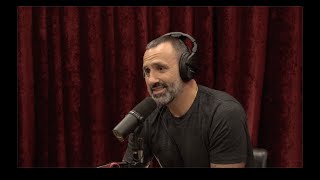
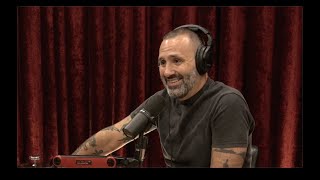
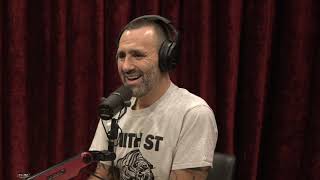
JRE 1664 · June 27, 2024
Josh Dubin
Who is Josh Dubin?
Josh Dubin is a criminal justice reform advocate, attorney, and Ambassador Advisor to the Innocence Project.
Topics and Timestamps
- 01Josh Dubin discusses his work with the Innocence Project and criminal justice reform
- 02The conversation covers how wrongful convictions happen and systemic failures in the legal system
- 03Dubin explains the importance of DNA evidence and re-examination of old cases
- 04Discussion of how poverty and lack of resources affect criminal defense quality
- 05The episode explores real cases of innocent people freed from prison
- 06Dubin talks about the psychological and social impact of wrongful imprisonment
- ▶Josh Dubin introduces his work with the Innocence Project0:00:00
- ▶Discussion of how wrongful convictions happen systematically0:10:30
- ▶Dubin explains the critical role of DNA evidence in exonerations0:25:15
- ▶Conversation about poverty's role in wrongful convictions0:42:00
- ▶Discussion of psychological impact on exonerees and reintegration challenges0:55:30
The Show
Joe brings on Josh Dubin, a criminal justice reform advocate and attorney with the Innocence Project, to dig into one of the most broken systems in America: the criminal justice system. This isn't some abstract policy debate. Dubin has spent his career actually getting innocent people out of prison, and he brings real cases and real stakes to the conversation.
The core issue Dubin hammers on is how shockingly easy it is to convict innocent people. Bad police work, tunnel vision, inadequate defense lawyers, and pressure to close cases create a perfect storm where innocent people end up doing decades in prison. He breaks down the mechanics of wrongful convictions with specific examples that make it clear this isn't a rare edge case but a structural problem baked into how criminal investigations work.
Dubin emphasizes that DNA evidence has been the game changer for actually proving innocence, but most cases don't have usable DNA. That means thousands of innocent people are still locked up with no way to prove it. He talks about the Innocence Project's approach of going back to old cases, getting new testing done, and fighting through legal systems that often don't want to admit they made mistakes.
The conversation gets into how poverty determines guilt in America. If you can't afford a good lawyer, you're basically screwed. Public defenders are underfunded and overworked. Rich people get investigators and expert witnesses. Poor people get rushed plea deals that sometimes mean admitting to crimes they didn't commit just to avoid mandatory minimums. Dubin doesn't pull punches about how the system is rigged.
Joe asks the hard questions about what happens psychologically to someone who gets 20 years stolen from their life. Dubin talks about exonerees struggling to reintegrate, dealing with trauma, trying to rebuild lives. Some states don't even have compensation laws for wrongfully convicted people, which is absolutely insane when you think about it.
The episode makes clear that criminal justice reform isn't some fringe issue. It's about the basic function of a justice system that's supposed to protect innocent people but instead often destroys them. Dubin's work shows that redemption and real change are possible, but only if you actually fight for it.
Best Quotes
“The system isn't designed to find the truth, it's designed to close cases”
— Josh Dubin
From the JRE 1664 conversation with Josh Dubin.
“DNA evidence has freed hundreds of innocent people, but most cases don't have usable DNA”
— Joe Rogan
From the JRE 1664 conversation with Josh Dubin.
“If you're poor, you're basically guaranteed an inadequate defense”
— Josh Dubin
From the JRE 1664 conversation with Josh Dubin.
“Wrongful conviction isn't a rare mistake, it's a structural failure”
— Joe Rogan
From the JRE 1664 conversation with Josh Dubin.
“Getting out of prison after exoneration is almost as hard as getting out in the first place”
— Josh Dubin
From the JRE 1664 conversation with Josh Dubin.