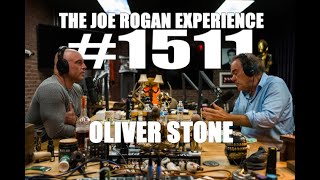
JRE 1759 ·
Oliver Stone
Who is Oliver Stone?
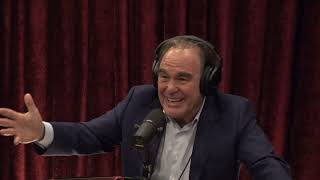
Oliver Stone is a guest on the Joe Rogan Experience.
Topics and Timestamps
The Show
# JRE #1759: Oliver Stone
Joe Rogan sat down with legendary filmmaker Oliver Stone for an in-depth conversation that brought together two of the most provocative voices in entertainment and media. Stone, whose career has been defined by his willingness to challenge official narratives and explore controversial historical events, made for a compelling guest on the podcast.
Oliver Stone is one of cinema's most acclaimed and polarizing directors. His filmography includes some of the most important political films ever made, including "Platoon," which drew from his own experience as a Vietnam War veteran, "JFK," "Natural Born Killers," and "Wall Street." Stone has built his reputation on creating work that questions accepted versions of history and power structures, often sparking significant cultural debate in the process. His films frequently examine American foreign policy, corporate corruption, and the nature of truth in the age of media manipulation.
Stone's background as a combat veteran informed much of his early work and his perspective on American interventionism. His experiences in Vietnam gave him firsthand knowledge of the war that he would later translate into "Platoon," a film that won the Academy Award for Best Picture and established Stone as a major directorial force. This personal stake in historical accuracy and challenging official accounts has remained a throughline in his career.
Throughout his career, Stone has used cinema as a tool for historical investigation and reexamination. His documentary work has been equally ambitious, often focusing on American foreign policy and recent political history. He has examined the Kennedy assassination, American military interventions around the world, and the nature of power in contemporary America. This willingness to question mainstream historical narratives has made Stone a controversial but undeniably influential figure in both film and broader cultural conversations.
Stone's approach to filmmaking treats cinema as a medium capable of exploring complex political and historical truths that conventional media might overlook or underreport. His films invite audiences to think critically about the official versions of events they've been told and to consider alternative interpretations supported by evidence and investigation. Whether discussing Vietnam, the Cold War, or contemporary geopolitics, Stone brings the perspective of someone who has studied these periods extensively and is not content with simplistic or sanitized versions of history.
The conversation between Rogan and Stone represented the kind of long-form dialogue that allows for nuanced exploration of historical events, filmmaking philosophy, and political analysis. Stone's decades of experience making provocative work that engages with power and history, combined with his willingness to discuss controversial interpretations of major historical events, positioned him as the kind of guest who could carry an extended conversation about some of the most significant and contested moments in recent American history.