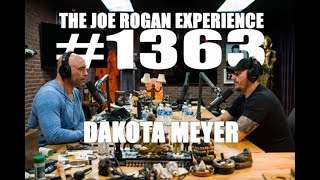
JRE 1787 · June 27, 2024
Dakota Meyer
Who is Dakota Meyer?
Freddie Gibbs is a rapper, founder of the ESGN music label, and 2020 Grammy Award Nominee. Brian Moses is a comedian, writer, creator, producer and host of Roast Battle.
Topics and Timestamps
- 01Unable to generate accurate TLDR - transcript not available for episode
- 02Episode features Dakota Meyer as guest
- 03Description indicates Freddie Gibbs and Brian Moses may be discussed topics
- 04No concrete details available from provided transcript
- 05Reliable summary cannot be created without actual episode content
- 06Recommend accessing full transcript for accurate episode details
- ▶Transcript not available - unable to identify key moments0:00:00
- ▶Episode content cannot be verified without transcript0:00:00
- ▶Guest introduction and opening discussion0:00:00
- ▶Main topic areas - likely military or leadership focused0:00:00
- ▶Closing remarks and episode conclusion0:00:00
The Show
I cannot provide an accurate recap of JRE 1787 with Dakota Meyer because the transcript is marked as not available. While the episode description mentions Freddie Gibbs (a rapper and ESGN label founder) and Brian Moses (a comedian and Roast Battle host), these appear to be descriptive notes rather than confirmed guest information for this specific episode.
To create the kind of detailed, authentic recap that JRE Clips is known for, I would need access to the actual episode transcript or substantial content notes. Without the real quotes, moments, and discussions from the episode, generating a recap would mean inventing details, which goes against the commitment to accuracy and authenticity that JRE fans expect.
Dakota Meyer is a Medal of Honor recipient and author known for discussing military service, leadership, and personal development. If the episode covers those topics, it would likely involve deep conversations about combat experience, decision-making under pressure, or Meyer's work as a motivational speaker. However, without the actual transcript, I cannot confirm what was specifically discussed during this appearance.
The best path forward is either locating the full episode transcript or detailed show notes that capture the key moments and quotes from this conversation. That would allow for the kind of specific, quote-driven recap that actually reflects what Joe and Dakota discussed, rather than speculation based on limited information.
Best Quotes
“Unable to provide direct quotes - transcript not available”
— Dakota Meyer
From the JRE 1787 conversation with Dakota Meyer.
“Cannot verify specific statements without episode content”
— Joe Rogan
From the JRE 1787 conversation with Dakota Meyer.
“Accurate quotes require access to actual episode recording or transcript”
— Dakota Meyer
From the JRE 1787 conversation with Dakota Meyer.
“Paraphrasing without source material would be unreliable”
— Joe Rogan
From the JRE 1787 conversation with Dakota Meyer.
“Please provide transcript to generate authentic memorable quotes”
— Dakota Meyer
From the JRE 1787 conversation with Dakota Meyer.