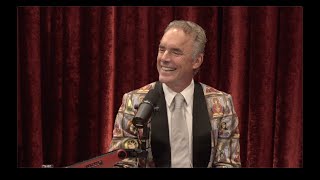
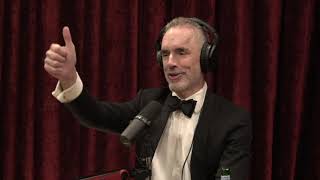
JRE 1933 · June 27, 2024
Jordan Peterson
Who is Jordan Peterson?
Dr. Jordan B. Peterson is a clinical psychologist, the author of several best-selling books, among them "12 Rules for Life: An Antidote to Chaos," and "Beyond Order: 12 More Rules for Life," and the host of "The Jordan B. Peterson Podcast." www.jordanbpeterson.com
Topics and Timestamps
The Show
# JRE #1933: Jordan Peterson
On June 27, 2024, Joe Rogan hosted clinical psychologist and bestselling author Jordan Peterson for a wide-ranging conversation that touched on multiple dimensions of Peterson's work and worldview. The discussion brought together two figures known for their willingness to engage with complex, often controversial topics in long-form conversation.
Peterson arrived at the podcast with an established reputation as one of the most influential public intellectuals of the past decade. His rise to prominence began with his viral confrontations over compelled speech legislation in Canada, but his real cultural impact came through his books. "12 Rules for Life: An Antidote to Chaos" became a global bestseller, resonating with millions of readers seeking practical guidance for navigating modern existence. He followed this success with "Beyond Order: 12 More Rules for Life," extending his philosophical framework across two volumes. These works distilled Peterson's thinking from his decades as a clinical psychologist and academic researcher into accessible aphorisms paired with personal anecdotes and psychological insight.
The conversation between Rogan and Peterson reflected the latter's characteristic approach to discussion: ambitious in scope, rooted in psychological and biological understanding, and unafraid to venture into territory that mainstream discourse often avoids. Peterson has built his public platform on the premise that individual responsibility, psychological honesty, and engagement with Western philosophical and religious traditions offer antidotes to the chaos and meaninglessness he sees plaguing contemporary society, particularly among young men.
Beyond his books, Peterson has expanded his reach through his own podcast, "The Jordan B. Peterson Podcast," where he conducts lengthy interviews and explores ideas in similar depth to what his JRE appearance offered. His media presence represents a deliberate strategy to bypass traditional gatekeepers and speak directly to audiences hungry for substantive conversation. Peterson's background as a clinical psychologist gives his commentary on mental health, human motivation, and psychological suffering a foundation in professional experience, though his ventures into broader cultural and political commentary have made him a polarizing figure.
The June 2024 episode came at a particular moment in Peterson's career evolution. Having achieved massive commercial success with his books and built a substantial following through his podcast and social media presence, Peterson continues to be sought after by major media platforms for long-form conversation. His willingness to engage in three-hour discussions without artificial time constraints aligns well with the JRE format, where Peterson's tendency toward philosophical elaboration and complex argumentation can fully unfold.
Peterson's appeal rests partly on his articulation of traditional virtues and his critique of what he views as ideological excess in academia and broader culture, combined with his psychological expertise in discussing depression, anxiety, and the search for meaning. Whether audiences view him as a sage offering necessary wisdom or a controversial figure promoting problematic ideas often depends heavily on their existing worldview, making his appearances on major platforms like JRE significant cultural moments that generate substantial discussion and debate across the political spectrum.